
Astrotourism in Kazakhstan: Best Stargazing Locations and Travel Tips
Imagine standing in the middle of a vast steppe at night and seeing millions of stars scattered across the sky. There is something humbling about moments like these, when you realize just how much lies beyond our everyday world. You might also want to look for familiar constellations, try to spot Saturn, or wait for a meteor to flash past.
Astrotourism, or traveling specifically to observe the night sky, is becoming increasingly popular. Travelers are venturing beyond crowded attractions in search of remote deserts or mountain plateaus where the stars shine brighter. You don't need to be an astronomy enthusiast or even own a telescope. All you need is a good location and a clear night.
The key to successful stargazing is escaping artificial light. Light pollution makes stars difficult to see near cities, but far out in the countryside, the stars can emerge in all their glory.
Kazakhstan is a perfect destination for astrotourism. Its vast territory and low population density offer many opportunities to explore the night sky far from major settlements.
The Best Astrotourism Destinations in Kazakhstan
DarkSky International recognizes locations that protect naturally dark skies and work to reduce light pollution. Its International Dark Sky Places program includes more than 200 designated locations worldwide.
As of now, no location in Kazakhstan has received this official designation. However, the country has plenty of remote landscapes with dark skies and wide-open horizons that make excellent candidates for stargazing. Here are some destinations worth considering.
Asy Plateau
Asy Plateau is located about 75 km (47 mi) east of Almaty in the Ile Alatau Mountains, at an elevation of 2,500 to 2,800 meters (8200-9200 ft). It is home to the Asy-Turgen Astrophysical Observatory. However, it’s not open to the general public. Visitors can nevertheless observe the night sky from permitted camping areas.
Two other astronomical facilities are located near Almaty: the Kamenskoye Plateau Observatory and the Tien Shan Astronomical Observatory. However, urban expansion and increasing light pollution have made observing conditions in their surrounding areas less favorable.
The Asy Plateau is also worth visiting for its alpine meadows, green hills, and mountain scenery. You can spend the day exploring the landscape, watch the sunset, and stay after dark.
Mangystau
Mangystau is a sparsely populated region in the West of Kazakhstan, famous for its chalk formations, buttes, and canyons. It’s ideal for combining stargazing with an adventurous expedition. The areas around Bozjira Tract, the Karynzharyk Hollow, and the Tuzbair salt pan offer striking scenery by day and dark skies after sunset. Other remote locations across the Ustyurt Plateau can also be suitable.
Please note that Mangystau's most spectacular locations are extremely remote, with no mobile coverage. Steppe roads require off-road vehicles and often become impassable after rain. For safety, we recommend visiting these areas with an experienced guide and driver as part of an organized tour or expedition.
-large.webp)
Ile-Balkhash Nature Reserve
The Ile-Balkhash Nature Reserve protects extensive natural habitats around Lake Balkhash, including the Ili River delta and surrounding wetlands. Its river channels, lakes, reed beds, and open spaces support diverse wildlife. Stargazing can be combined with birdwatching.
The reserve is primarily dedicated to conservation, so camping and nighttime access may be restricted. Check the regulations and obtain any necessary permissions before planning an overnight stay. Alternatively, you can consider other locations near Lake Balkhash, outside the reserve boundaries.
Altyn-Emel National Park
Altyn-Emel is famous for its Singing Dune, colorful Aktau Mountains, and ancient Saka burial mounds. Its remote setting also makes it appealing to stargazing enthusiasts.
The park is well suited to a multi-day trip. During the day, you can explore its geological formations and archaeological sites, then turn your attention to the stars after sunset.
Before planning nighttime observations, check with the park administration or visitor center about access rules, permitted overnight areas, and restrictions on moving around after dark.
Charyn Canyon and Other Locations Near Almaty
Charyn Canyon is best known for its rock formations and the Valley of Castles. An overnight stay offers opportunities for stargazing and night-sky photography after day visitors have left.
Other nearby canyons, such as Temirlik, Bestamak, Lunar Canyon, and Black Canyon, are also worth considering. They attract fewer visitors and offer a quieter atmosphere.
You don't have to visit a famous landmark to enjoy a star-filled sky. The wider Almaty region has numerous valleys, open plains, and high-altitude plateaus that may offer suitable conditions. Look for places with minimal light pollution, clear views of the sky, and safe access. Always check whether overnight stays are permitted, and remember that mountain weather can change quickly.
The Aral Sea
The Aral Sea region is another promising destination for astrotourism. There are few settlements, and the desert stretches for hundreds of kilometers.
However, the region can experience strong winds, dust storms, and atmospheric haze, all of which can interfere with stargazing. If possible, plan several nights in the area rather than relying on a single evening. Check the weather forecast and road conditions before setting off.

More Places to Discover the Night Sky
Kazakhstan is so vast that the list of potential stargazing destinations could go on almost indefinitely. The open steppes of the Akmola and Karaganda regions, the mountains of the Dzungarian Alatau, and many other remote locations can offer excellent conditions.
A light pollution map can help you find suitable spots. As a general rule, the fewer artificial lights you can see along the horizon, the better. However, clouds, humidity, and dust can also affect visibility.
If you're heading into a remote area, share your itinerary and expected return time with family or friends. When visiting national parks and nature reserves, check entry rules, permitted routes, and overnight restrictions.
If you'd rather leave the logistics to professionals, Welcome.kz offers tours combining Kazakhstan's spectacular landscapes with the chance to spend time far from city lights. On this website, you can book multi-day tours to Mangystau, Altyn-Emel National Park, the Aral Sea, the Asy Plateau, and the Dzungarian Alatau mountains.
The Best Time for Stargazing
- A full moon can obscure some stars and wash out the Milky Way, so plan your trip around the new moon for darker skies.
- Spring is a good time to watch the Lyrid meteor shower, which peaks in April.
- Summer is great for astrotourism, especially August when the Perseid meteor shower peaks.
- Autumn brings longer nights and two notable meteor showers: the Orionids in October and the Leonids in November.
- Winters in Kazakhstan are extremely cold, which can make stargazing difficult. However, the Geminid meteor shower in December is one of the best of the year and may be worth the effort. Dress warmly and make sure there is a place nearby where you can warm up.
What to Bring on a Stargazing Trip
You don't need a telescope to enjoy astrotourism. With the naked eye, you can see the Milky Way, constellations such as the Big Dipper and Orion, and meteor showers like the Perseids, Orionids, and Geminids.
Depending on the season and planetary positions, Venus, Jupiter, Mars, and Saturn may also be visible to the naked eye. A telescope is useful for observing lunar craters, Saturn's rings, and Jupiter's cloud bands.
For a comfortable night outdoors, bring:
- Warm clothing. Even after a hot summer day, temperatures can drop quickly after sunset.
- A camping mat or folding chair. Sitting back or lying down makes stargazing more comfortable.
- A flashlight with a red-light mode. Red light helps your eyes adjust to the darkness.
- Water and snacks.
- A power bank. Cold temperatures can drain phone and camera batteries more quickly.
- A camera and tripod. A tripod is essential for astrophotography during long exposures.
Astrotourism is still an emerging travel experience in Kazakhstan, but the country's enormous open spaces and few major cities offer excellent potential for stargazing. These journeys can also be an opportunity to stay in a traditional yurt and discover the nomadic heritage of the Kazakh people. For those willing to venture off the beaten path, a night beneath Kazakhstan's starry skies could become one of the most memorable experiences.
Recommended tours:
All offers-1_420x650_4ab.jpg "Sunny Land of Mangystau Tour")
On request
The Mangystau region of Kazakhstan harbors a wealth of historical mysteries and natural marvels. From ancient burial sites to towering buttes, Mangystau never ceases to amaze. Don't miss the opportunity to unravel the secrets of this sunlit land!
_420x650_4ab.jpg "Golden Ring of Jetysu 5-Day Tour")
Embark on a distinctive travel itinerary in the Almaty Region, featuring highlights such as Altyn-Emel National Park, Charyn Canyon, Kolsay Lakes, Lake Kaindy, Tamgaly Tas Petroglyph Site, and numerous other captivating attractions.
_420x650_4ab.jpg "Altyn-Emel National Park Off-Road Tour")
On request
Explore Altyn-Emel National Park on an exciting 3-day off-road journey, filled with discoveries and unforgettable experiences!
On request
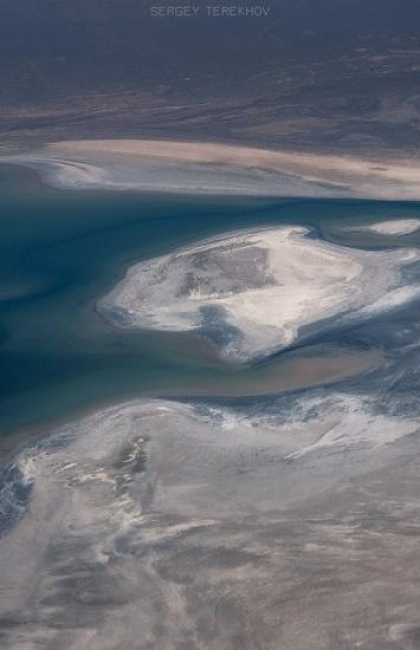
Embark on a 9-day off-road expedition to the northern reaches of Kazakhstan’s Aral Sea. Discover hidden, untouristed gems, traverse long routes, camp under the stars, and embrace the rugged beauty of salt flats and dusty trails.
-1_420x650_4ab.jpg "Kolsay Lakes Off-Road Tour")
On request
Embark on a 3-day off-road tour to the mesmerizing Lake Kaindy, stunningly beautiful Kolsay Lakes, and the extraordinary Charyn Canyon.
_420x650_4ab.jpg "Alpine Meadows of Jetysu Off-Road Tour")
On request
Discover Jetysu, a mountainous region in southeast Kazakhstan! Explore little-known gorges, alpine meadows, roaring rivers, azure lakes, and immerse yourself in the wild landscapes few tourists have witnessed.
-sergejt_420x650_4ab.jpg "Canyons of Jetysu Off-Road Tour")
On request
This off-road tour will take you through the most stunning canyons of the Almaty region, including Kyzylzhar, Temirlik, Bestamak, and Charyn Canyon.
_420x650_4ab.jpg "Altyn-Emel National Park and Charyn Canyon Off-Road Tour")
On request
If you like spending time in nature and delight in discovering the new and unusual – come join us on this off-road tour in Altyn Emel Natural Park and Charyn Canyon!
_420x650_4ab.jpg "Golden Ring of Dzungaria Tour")
On request
Embark on a route through the less-explored trails of the Dzungarian Alatau Mountains. This expedition promises encounters with Kazakhstan's tallest waterfall, ancient petroglyphs, the remnants of bygone settlements, an azure mountain lake, and various other natural landscapes!